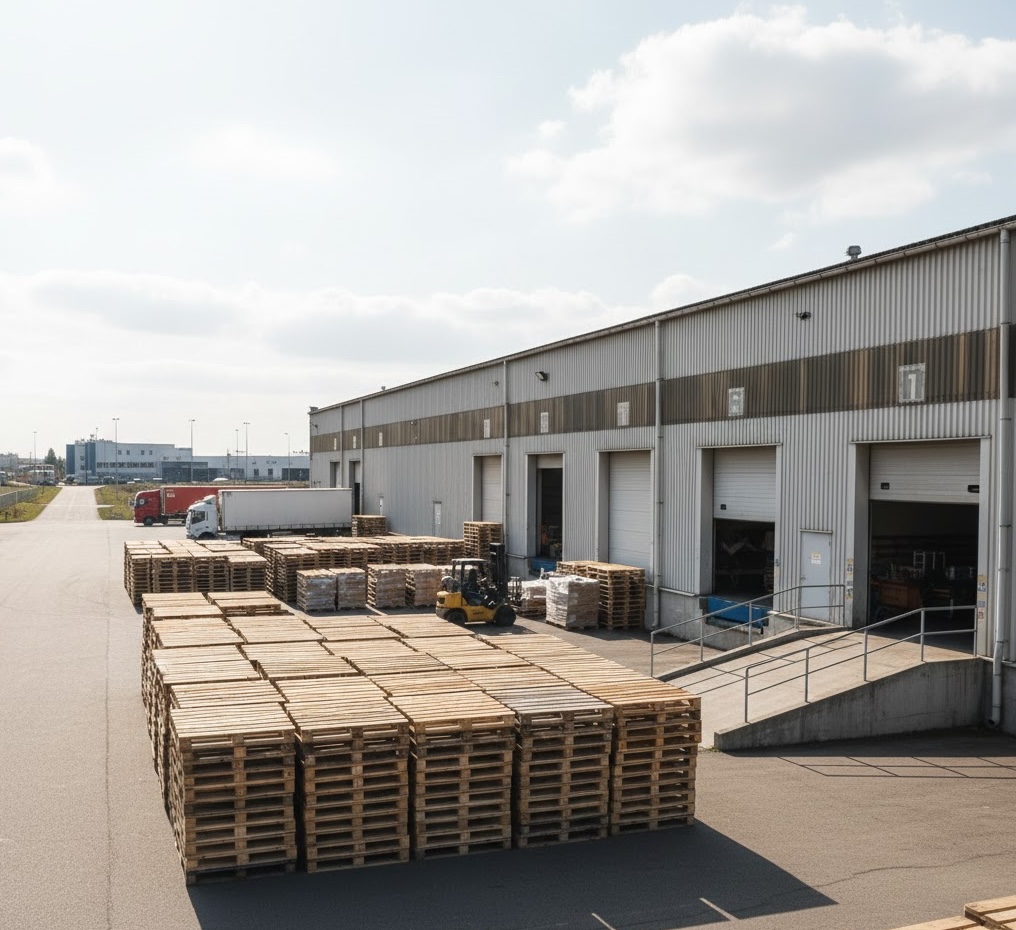
PALLET REPAIR
Pallet Repair
Worn pallets can often be repaired rather than replaced. Repair is available through partner suppliers, and repaired pallets are often a lower-cost option than new. Availability varies.
Reuse and Recycling Requests
Reusing a pallet avoids building a new one. Tell us what you have or need.
Reuse First
Keeps usable pallets in service
Recyclable Wood
Worn pallets can be recycled
Local Requests
Tacoma and Pierce County
Free Quote Request
No obligation
Used Pallets: Often a practical alternative to new. Pricing is by quote from partner suppliers.
Common Repair Types
Board Replacement
Replace broken or damaged deck boards and stringers
Stringer Repair
Fix cracked or split stringers, for example with a plate or companion stringer
Fuller Refurbishment
More extensive repair of worn pallets, depending on their condition
Why Repair Instead of Replace?
Cost
Repaired pallets are often a lower-cost option than new
Quote
Pricing and timing come from the partner supplier
Reuse
A repair can return a worn pallet to service
Waste
Reusing a pallet avoids building a new one
How Repair Typically Works
1
Inspection
Pallets are typically inspected to assess damage and decide what can be repaired
2
Assessment
A partner supplier follows up with a quote outlining the repairs needed
3
Repair
Broken boards or stringers are replaced or reinforced
4
Quality Check
Ask the supplier what checks are made on repaired pallets before they are used
5
Return
Pickup or delivery of repaired pallets can be discussed with the supplier, depending on availability
Common Repairs
Structural Repairs
- - Broken top deck boards
- - Cracked or split stringers
- - Damaged bottom boards
- - Missing blocks or supports
- - Loose or protruding nails
Cosmetic Repairs
- - Surface cleaning
- - Board alignment
- - Edge trimming
- - Sorting pallets by condition
Pallet Repair Guide
Environmental Benefits of Repair
Repairing a pallet instead of replacing it keeps usable wood in service and avoids building a new pallet. Boards and stringers that are still sound stay in use, and only the damaged parts are replaced. Pallets that cannot be repaired can often be recycled into wood products.
Repair vs. Replace: Cost Considerations
Repaired and used pallets are often a lower-cost option than new ones, but pricing depends on the damage, the pallet size and the supplier. Partner suppliers quote on request. A pallet with minor damage is usually worth repairing, while one with extensive damage may not be.
Common Pallet Damage Types
Top deck boards often break because of forklift tines and heavy loads. Stringers can crack from impacts and overloading. Bottom boards wear from dragging across floors. Lead boards (outer deck boards) are often damaged by pallet jacks. Each type of damage has a typical repair.
What to Ask About Repair Quality
Repairs commonly use replacement boards of similar size and thickness, fastened with appropriate nails, and stringer repairs may use a companion stringer or a metal plate. Ask the supplier about materials and workmanship, and confirm that repaired pallets suit your load and how you handle them.
When to Repair vs. Recycle
Pallets with a few broken deck boards are usually good repair candidates. Pallets with multiple cracked stringers or extensive mold are generally better recycled. If you export, remember that a repair can affect a heat-treatment stamp, so confirm the stamp and any destination rules before shipping.
Safety Considerations for Repaired Pallets
Protruding nails, loose boards and sharp edges are the main hazards on a worn pallet. Look over any repaired pallet before loading it, set aside any that look unsound, and do not load a pallet beyond what it was built to handle. Ask the supplier what they check after a repair.
Planning Your Repair Request
Timing depends on the partner supplier and on how many pallets need work. When you send a request, include the quantity, pallet size, type of damage and any deadline so the supplier can tell you what is possible. Whether repair is done on-site or off-site varies by supplier.
Preparing Pallets for Repair
Sorting pallets at your site makes a repair request easier to quote. Separate repairable pallets from those beyond repair, group them by size, and note what the damage is. Ask the supplier whether pickup and return of repaired pallets can be arranged, since availability varies.
Repair Through Partner Suppliers
Tell us what you have and where it is in Tacoma or Pierce County, and we will pass your request to a partner supplier. Whether a supplier offers on-site repair varies, so ask when they follow up.
- - Share the quantity and pallet size
- - Describe the damage you see
- - Mention pickup or delivery needs
- - Ask about heat-treatment stamps if you export
Request a QuoteFrequently Asked Questions
What does pallet repair include?
Repair typically means replacing broken boards and repairing or plating stringers. Ask the supplier what they handle.
Is repair a lower-cost option than new?
Repairing pallets is often a lower-cost option than buying new. Pricing is by quote from partner suppliers.
Can different sizes be repaired?
Ask the supplier. It depends on the size and on whether parts are available.
How are repaired pallets checked?
Confirm with the supplier how repaired pallets are checked, and look them over on receipt.
Can repaired pallets be heat treated?
Heat-treated, stamped pallets can be requested through partner suppliers. Confirm the stamp and any destination rules before shipping.
Can broken pallets be picked up, repaired and returned?
Ask the partner supplier whether they offer it. Availability varies.
Is there a minimum quantity for repair?
Minimums, if any, are set by each partner supplier. Include your counts in the request.
Can branded pallets be repaired?
Ask the supplier whether markings can be kept when materials allow.