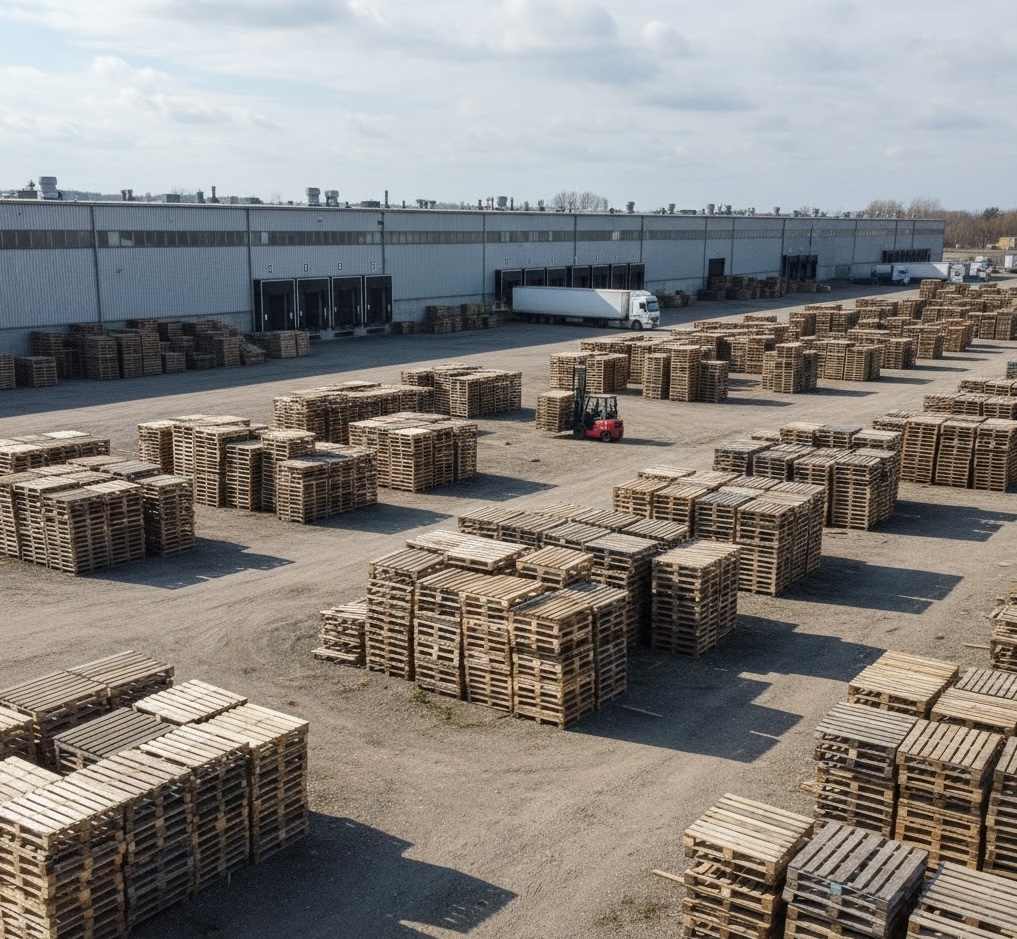
Have surplus pallets taking up space? Send the details and a partner supplier may quote on them. Reusing a pallet avoids building a new one.
How It Works
Send one request and a partner supplier in our network follows up with a quote.
Pickup & Delivery
Through partner suppliers
Grades A, B, C
Pick what fits the job
Buy & Sell
Surplus pallets welcome
Reuse First
Keeps usable pallets in service
Used Pallets: Often a practical alternative to new. Pricing is by quote from partner suppliers.
Get a Free Quote
A partner supplier will follow up.
How It Works
1
Send Your Details
Fill out the form with the size, condition, and quantity of your pallets
2
Request Is Passed On
Your request goes to partner suppliers in our network
3
Supplier Follows Up
A partner supplier may follow up with questions or a quote
4
Agree Next Steps
Pickup and any other arrangements are settled directly with the supplier
Pallets Suppliers May Quote On
Interest varies by supplier, so confirm what they are looking for. Grades also vary by supplier, so describe your pallets as plainly as you can.
Grade A Pallets
Recycled pallets in the best condition, with few or no repairs and a clean appearance
Best condition
Grade B Pallets
Sound used pallets that may show repairs, such as a plated stringer or a replaced board, and more wear
Sound, with some wear
Grade C Pallets
Pallets with more repairs and wear, suited to one-way shipments or internal use
More wear
What Affects a Quote?
Details That Help
Standard 48x40 size
No broken boards or damage
Clean and dry
Sorted by size and condition
Larger quantities in one place
Details That May Limit Interest
Non-standard sizes
Broken or missing boards
Stained or contaminated
Mixed sizes and conditions
Small or scattered quantities
Pallet Selling Guide
Why Reusing Pallets Makes Sense
Reusing a pallet avoids building a new one, and worn pallets can often be repaired or recycled into wood products. Passing surplus pallets to a supplier who can sort and grade them is one way to keep usable wood in circulation.
Preparing Your Pallets
Remove debris, loose nails, and strapping. Sort pallets by size and condition; standard 48x40 is the most widely used size. Stack them neatly so they are easy to count and look over. Set aside any pallets that are contaminated or have held hazardous materials.
Understanding What Affects a Quote
A partner supplier may quote on your surplus pallets, and any quote is theirs to set. The usual factors are grade, size, quantity, condition, and your location. Standard sizes tend to be easier to place than unusual ones, and clean, sorted loads are easier to assess.
What Can Happen to Surplus Pallets
Suppliers typically sort and grade pallets they take in. Pallets in good shape may be resold for reuse. Pallets with some damage may be repaired. Badly worn pallets can often be dismantled, with usable boards kept for repairs and the remaining wood recycled into wood products.
Timing Your Request
Interest in used pallets can shift with busy shipping seasons and warehouse cleanouts. Reaching out before a stack becomes a storage problem also helps, because pallets left outdoors can deteriorate. Sending a request sooner gives a supplier more room to respond.
Questions to Ask a Supplier
Before agreeing to anything, confirm in writing what the supplier will do, what the pickup arrangements are, and whether any fees apply. Ask how they will count and grade the pallets, and keep a record of what you hand over. Confirm all terms directly with the supplier.
Ongoing Pallet Surplus
If your business regularly ends up with extra pallets, say so in your request and describe roughly how often they build up. A partner supplier can tell you whether repeat pickups are something they offer. Availability varies by supplier.
Keeping Records
Keep a simple record of what pallets left your site and when, along with any paperwork from the supplier. If a sale is involved, treat it as you would any other business transaction and speak with your own accountant about how to record it.
Ready to Send Details?
Send a free, no-obligation request. Requests from Tacoma and Pierce County are passed to partner suppliers, and availability depends on the supplier.