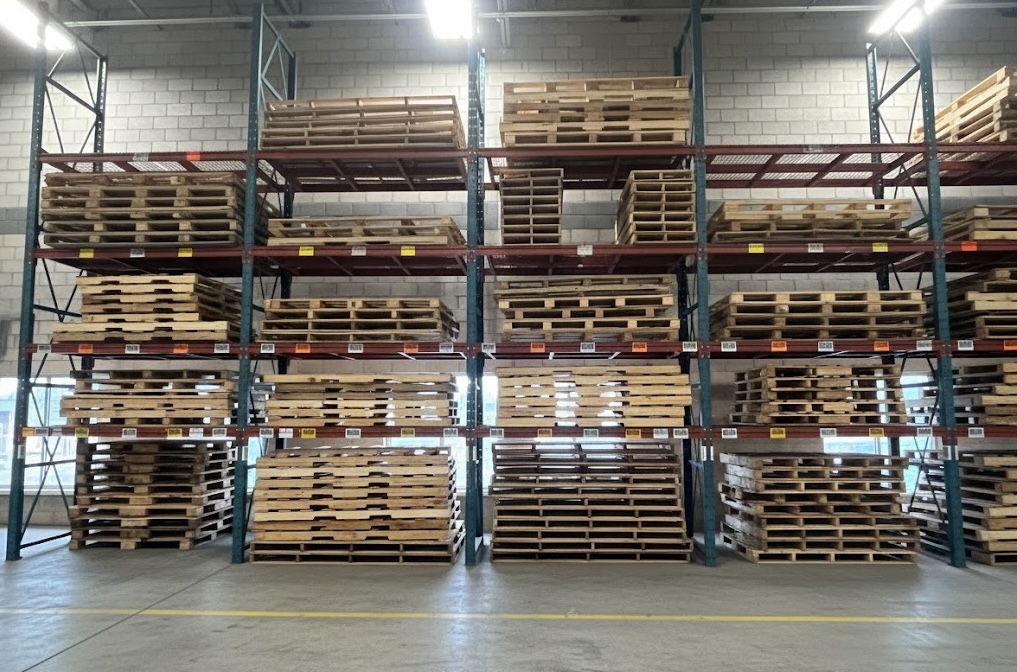
REUSE AND RECYCLING
Sustainability
A general guide to how wood pallets can be reused, repaired and recycled. Reusing a pallet avoids building a new one, and worn pallets can often be repaired or recycled into wood products.
Reuse and Recycling Requests
Reusing a pallet avoids building a new one. Tell us what you have or need.
Reuse First
Keeps usable pallets in service
Recyclable Wood
Worn pallets can be recycled
Local Requests
Tacoma and Pierce County
Free Quote Request
No obligation
Used Pallets: Often a practical alternative to new. Pricing is by quote from partner suppliers.
Ways to Reduce Pallet Waste
Pallet Recycling
Worn pallets can often be recycled into wood products
Repair First
Repairable pallets can often return to service
Nearby Suppliers
Shorter trips can mean fewer transport miles
Standard Sizes
Common sizes are easier to reuse again
Why Reuse Matters
Reuse
Reusing a pallet avoids building a new one
Repair
Sound wood stays in use when only damaged parts are replaced
Recycle
Worn pallets can often become mulch, bedding or fuel
Plan
Choosing common sizes makes pallets easier to place again
The Pallet Lifecycle
1
Manufacture
New pallets are built from wood
2
Use
Pallets can serve many shipping and storage cycles
3
Repair
Damaged pallets can often be restored to service
4
Recycle
End-of-life pallets can be broken down
5
Repurpose
Wood often becomes mulch, fuel, or other products
Recycled Products
Mulch & Landscaping
Wood chips and mulch for gardens, playgrounds, and landscaping projects.
Animal Bedding
Wood shavings for livestock bedding and equestrian facilities.
Biomass Energy
Wood that cannot be reused may be used as fuel at biomass facilities.
How You Can Help
For Businesses
- - Consider repaired or used pallets before new when they suit the load
- - Send worn pallets for repair or recycling instead of disposal
- - Ask partner suppliers what used, repaired or recycled options exist
- - Keep simple records of how many pallets you reuse
For the Community
- - Upcycle pallets into furniture and garden projects, checking the stamp and condition first
- - Keep reusable pallets dry so they stay usable
- - Choose nearby suppliers where you can
- - Spread awareness about pallet reuse and recycling
Sustainability Guide
The Environmental Case for Used Pallets
Choosing used pallets over new can reduce demand for new lumber and keeps functional products in circulation. Reusing a pallet avoids building a new one, and each additional use spreads the original materials over more shipments.
Circular Economy in Pallet Use
A circular approach keeps materials moving through use, repair and recycling instead of ending as waste after one trip. For pallets, that means using a pallet again where it is still sound, repairing it where it is not, and recycling the wood when neither makes sense.
Responsible Wood Sourcing
When new pallets are needed, forest certification programs exist that set standards for how wood is harvested. If this matters to you, ask a partner supplier whether certified wood is available for your order, since availability varies by supplier.
Reducing Transportation Emissions
Pallet pickup and delivery use fuel, so shorter trips and fewer of them generally mean fewer emissions. Working with a supplier near Tacoma or Pierce County and bundling a pickup with a delivery where possible can help. What a supplier can arrange depends on that supplier.
The Business Case for Reuse
Reuse can line up environmental and cost goals. Used and repaired pallets are often a lower-cost option than new, and recycling worn pallets can change how much waste you send to disposal. Pricing comes by quote from partner suppliers, and some customers also value suppliers who can speak to reuse.
If you report on environmental goals, simple records of how many pallets you reuse, repair and recycle make reporting easier. Tacoma Pallets does not produce sustainability reports, so ask a partner supplier what information they can give you for your own tracking.
End-of-Life Material Recovery
When pallets can no longer be repaired, the wood can often become mulch, animal bedding or biomass fuel, and metal fasteners can often be separated and sent for scrap recycling. What actually happens depends on the facility, so ask the supplier where worn pallets go.
Building a Greener Supply Chain
Several simple choices reduce pallet-related waste: use standard sizes, match the pallet to the load, repair before replacing, keep pallets dry, and recycle what cannot be reused. Share your goals when you send a request so partner suppliers can tell you which options they offer.
Request Used, Repaired or Recycled Pallets
Send a free, no-obligation quote request and a partner supplier follows up. Availability varies.
Request a QuoteFrequently Asked Questions
How can pallet waste be reduced?
Reusing a pallet avoids building a new one, and worn pallets can often be repaired or recycled into wood products.
Can pallets be reused more than once?
Many wood pallets can be repaired and put back into use, depending on their condition.
What happens to pallets that cannot be repaired?
They can often be recycled into products such as mulch, bedding or biomass fuel after metal is removed, depending on the recycler.
How does selling used pallets help?
Passing along reusable pallets keeps them in circulation. A partner supplier can quote on surplus pallets.
Does heat treatment use chemicals?
No. Heat treatment uses heat rather than chemical fumigation. Heat-treated, stamped pallets can be requested through partner suppliers.