The Case for Reusing Pallets
Reusing a pallet avoids building a new one. Worn pallets can often be repaired or recycled into wood products, so the wood keeps working for longer. For many internal and one-way uses, a used pallet does the job.
A practical option for many loads. Used pallets are often a lower-cost option than new, and reusing a pallet avoids building a new one.
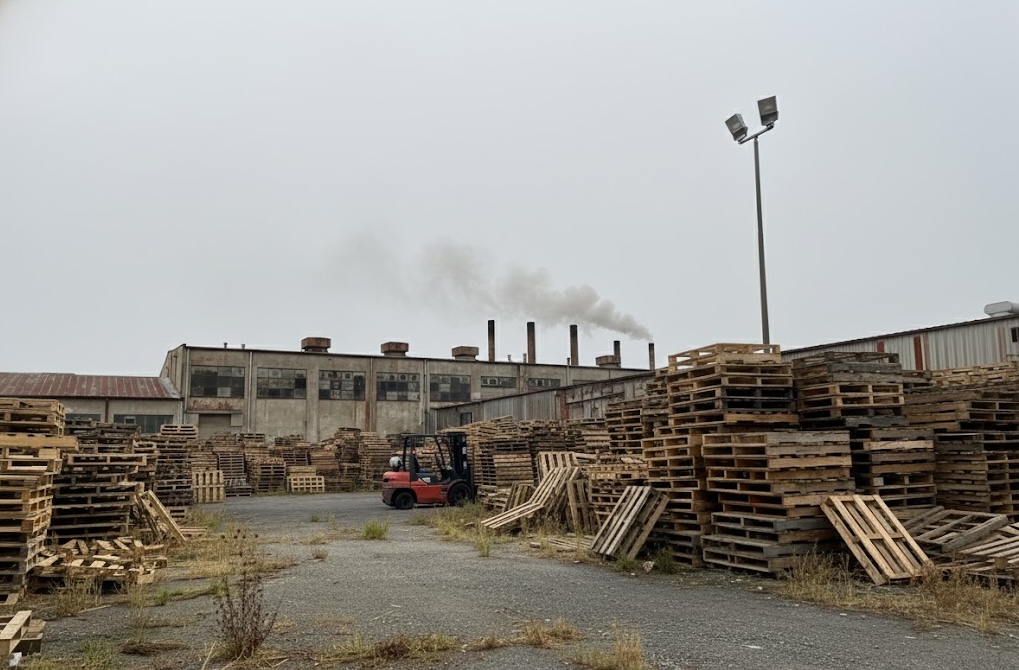
Reusing a pallet avoids building a new one. Tell us what you have or need.
Keeps usable pallets in service
Worn pallets can be recycled
Tacoma and Pierce County
No obligation
Used Pallets: Often a practical alternative to new. Pricing is by quote from partner suppliers.
A partner supplier will follow up.
Used pallets are often a lower-cost option than new, especially for internal use and one-way shipping.
Reusing a pallet avoids building a new one, and worn pallets can often be repaired or recycled into wood products.
Stock, delivery, and pickup options depend on the partner supplier, so ask when you request a quote.
Grades vary by supplier, so confirm what you need. The descriptions below are a general guide, not an industry standard.
Recycled pallets in the best condition, with few or no repairs and a clean appearance.
Sound used pallets that may show repairs, such as a plated stringer or a replaced board, and more wear.
More repairs and wear, suited to one-way shipments or internal use.
48" x 40" is the most common size. Other sizes exist; ask the supplier what they can source.
Reusing a pallet avoids building a new one. Worn pallets can often be repaired or recycled into wood products, so the wood keeps working for longer. For many internal and one-way uses, a used pallet does the job.
Suppliers typically sort and grade pallets by condition, appearance, and the repairs they show. Grade A has few or no repairs. Grade B is sound but may show repairs and more wear. Grade C has more repairs and wear. Grades vary by supplier, so confirm what you need.
Pricing is by quote from partner suppliers. Grade, size, quantity, location, and whether you need heat treatment all play a part. Match the grade to the job: a cleaner grade for customer-facing or export use, a more worn grade for internal moves or one-way shipping.
Look for broken or missing boards before accepting a delivery or pickup. Check that the grade matches what you agreed with the supplier. Watch for protruding nails that could damage products. If you need heat treatment, make sure the stamp is visible.
Set aside damaged pallets as soon as you spot them so they do not cause product damage. Rotate stock so wear is spread across your pallets. Worn pallets can often be repaired or recycled instead of thrown out, so ask a supplier what they accept.
Ask the supplier how they handle protruding nails, broken boards, and contaminated pallets, and confirm what condition to expect. Load limits depend on the pallet and how it is used, so check them with the supplier. Check current regulations that apply to your product.
Used pallets suit internal warehouse operations, domestic shipping, and temporary storage, where function matters more than appearance. If customer perception is critical, ask about Grade A or consider new pallets.
Store pallets in a dry spot to limit mold and rot. Stack similar sizes together for stability and keep stacks to a sensible height for your site. Keep pallets off bare ground, and use older pallets first.
Send a free, no-obligation quote request. Pricing and availability come from partner suppliers.
Partner suppliers commonly offer Grade A, B and C used pallets. Grade A is recycled pallets in the best condition, Grade B may show repairs and more wear, and Grade C has more repairs and wear. Grades vary by supplier, so confirm what you need.
Suppliers typically sort and grade used pallets. Ask your supplier how they do it, and check pallets on receipt.
It depends on the grade, build and condition. Share your load details with the supplier and ask what they recommend.
48x40 is the common GMA size. Other footprints may be available, so ask about the dimensions you need.
Delivery is arranged by partner suppliers for requests from Tacoma and Pierce County. Confirm availability with the supplier.
Used pallets are often a lower-cost option than new. Pricing is by quote and depends on grade, size and quantity.
Automated handling needs consistent dimensions and condition. Tell the supplier about your equipment and ask for tighter sorting if needed.
Heat-treated, stamped pallets can be requested through partner suppliers. Confirm the stamp and any destination rules before shipping.
A partner supplier can quote on surplus pallets, and worn pallets can often be repaired or recycled into wood products.
Used pallets vary. Specify the size you need, such as 48x40, and any tolerance, and check pallets on receipt.